
Humidity control in PCB and semiconductor manufacturing factories has evolved dramatically. In the past, simple sealed boxes with disposable desiccant packs were standard. But these passive solutions had major drawbacks: unknown saturation levels, frequent replacement, and inconsistent protection.
| Feature | Passive (Desiccant Packs) | Active (Electronic Dry Cabinet) |
| Consistency | Unpredictable | Precision (±2% RH) |
| Operating Cost | High (recurring purchase) | Low (electricity only) |
| Monitoring | None | Real-time display & alarms |
| Compliance | Difficult to document | Fully auditable |
Today, active humidity control uses renewable desiccant materials or thermoelectric chips to maintain precise conditions. With IoT connectivity, YanSyn's YSM series moisture proof cabinets & YSN series nitrogen cabinets provide remote monitoring, data logging, and integration with factory management systems. The shift from passive to active is a shift from “hoping it works” to “knowing it works.”
Related Posts
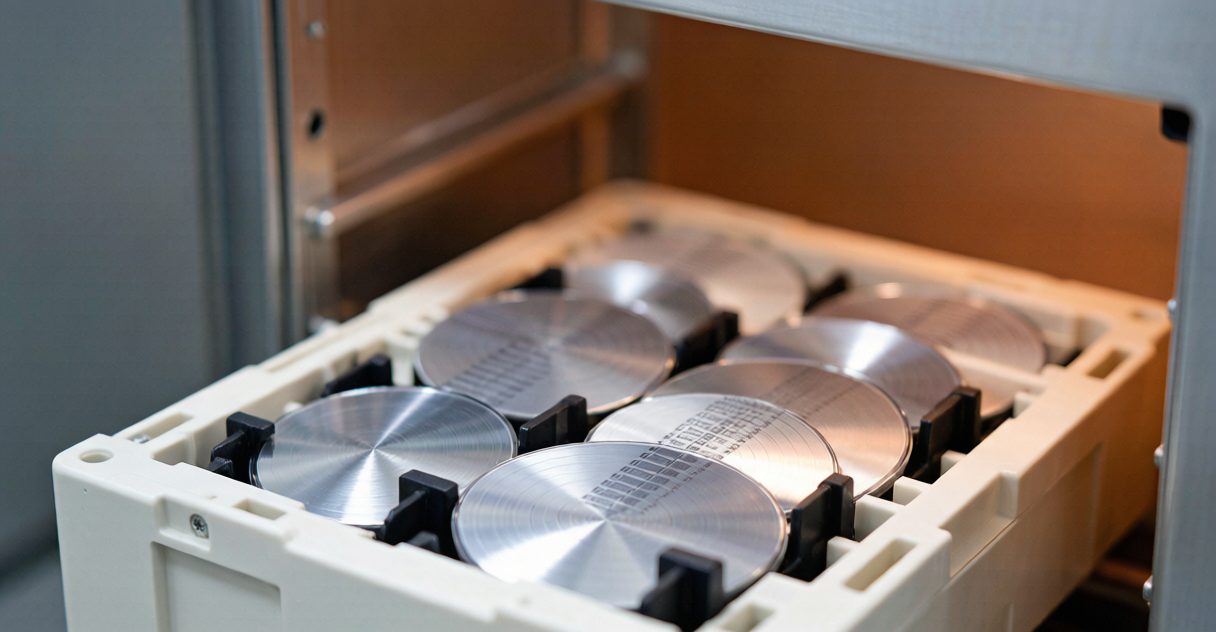
The Popcorn Effect Deep-Dive: MSD Baking Curves That Save Yield
A single cracked package can scrap an entire assembled board. In many cases the crack did not start on the line. It started days earlier, when a tray of plastic-encapsulated devices sat open in ordinary…

MSD Management: Why IPC/JEDEC J-STD-033D Matters
Moisture-sensitive devices (MSDs) absorb moisture from the air. During reflow soldering, the rapid heating turns that moisture into steam, causing internal cracks—a defect known as the “popcorn effect.” This leads to latent failures or immediate…
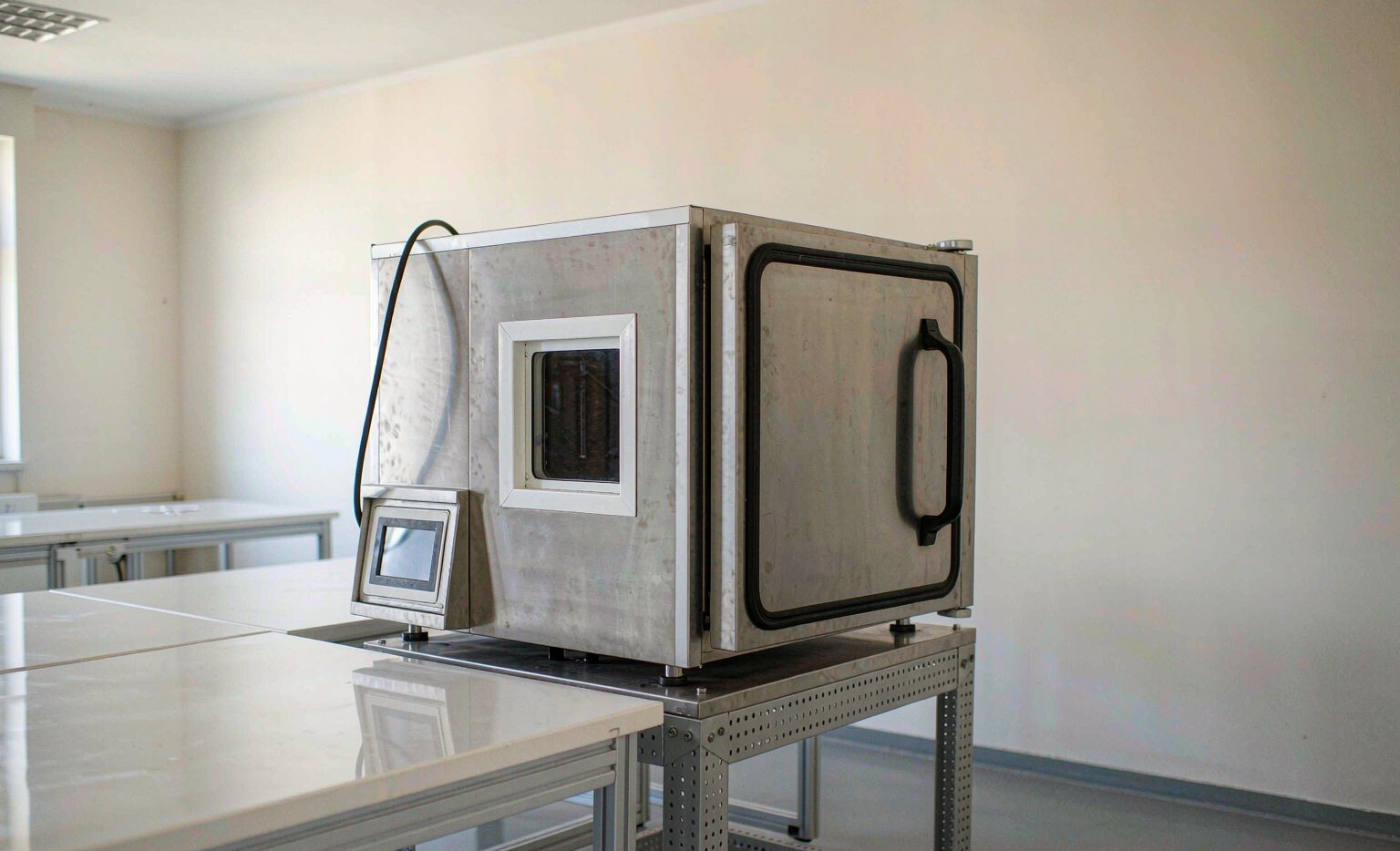
How to Specify a High-Low Temperature Test Chamber for Your Lab
A high-low temperature test chamber is one of the most frequently mis-specified pieces of laboratory equipment. Two labs can order machines with the same nominal temperature range and still end up with completely different capabilities,…