
Photovoltaic module manufacturing is a race against contamination. Between cell sorting and the final flash test, every layer — glass, encapsulant, cells, ribbons, backsheets, and adhesives — passes through multiple humidity, oxidation, and temperature windows. Uncontrolled moisture in EVA/POE film can turn into lamination bubbles. Oxidized copper ribbons or metal pastes raise contact resistance and solderability problems. Inconsistent adhesive curing can weaken frames and junction boxes. This article maps where dry cabinets, nitrogen / anti-oxidation cabinets, and industrial ovens fit into real PV module lines, what process parameters matter, and how operators should use them.
From Wafer to Finished Module: The Key Process Steps
A typical crystalline-silicon PV module line moves through the following stages:
- Cell sorting and stringing — matched cells are soldered into series strings with tinned copper ribbons.
- Lay-up — glass / EVA or POE encapsulant / cell strings / EVA or POE / backsheet are stacked in a clean, low-humidity area.
- Pre-lamination inspection — EL and visual checks catch cracks, misalignment, and foreign particles before sealing.
- Lamination — the stack is heated to roughly 145–160 °C under vacuum so the encapsulant melts, flows, and cross-links.
- Framing and junction-box attachment — an aluminum frame is bonded with silicone sealant, and a junction box is attached with adhesive or potting.
- Curing and final test — adhesives cure, then modules pass flash test, EL, hi-pot, and visual inspection.
Each of these stages creates a specific environmental-control requirement. The three equipment types below are not interchangeable — they protect different materials from different failure modes.
Moisture Control: Why Dry Cabinets Matter in PV Lines
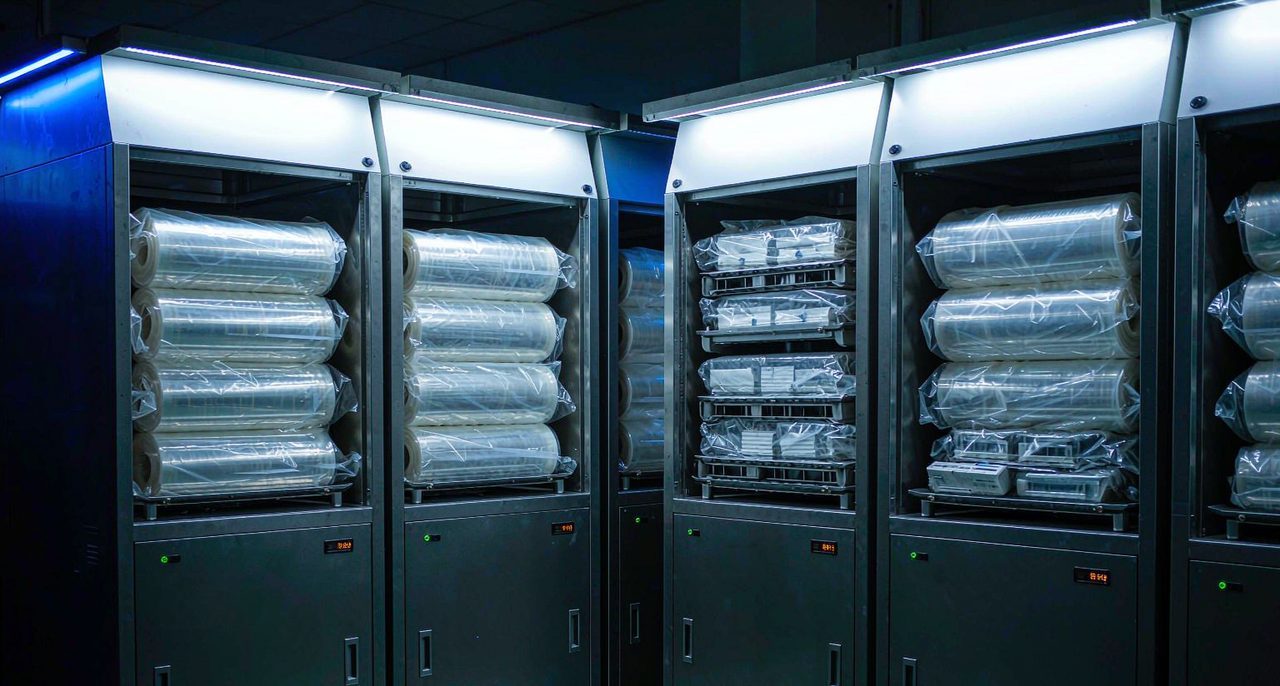
EVA, POE, and EPE encapsulant films are hygroscopic. Once opened, they absorb atmospheric moisture, especially at the roll edges. During lamination, that moisture turns into vapor and produces bubbles, haze, and weak adhesion at the glass-cell interface. The result is higher scrap, lower peel strength, and reduced damp-heat / PID reliability.
Typical film-storage requirements
- Temperature: commonly 15–30 °C, or 10–25 °C per supplier specs.
- Relative humidity: supplier datasheets usually call for ≤ 60–70 % RH; many module-assembly cleanroom guidelines push the working zone below 30 % RH right up to the laminator infeed.
- Light protection: films must be shielded from UV and direct sunlight to preserve UV-stabilizer capacity.
- Open-roll life: once the moisture-barrier bag is opened, rolls are normally consumed within 3–7 days; sheeted cut pieces should be used within 24 hours.
Dry-cabinet operating precautions
- Store opened rolls in a humidity-controlled dry cabinet between cutting and lay-up; do not leave them on the shop floor.
- Set RH according to the encapsulant supplier's recommendation — a stable, low-RH environment is usually more important than chasing an extreme value.
- Keep doors closed to avoid humidity spikes; load shelves so air can circulate.
- Calibrate RH sensors periodically and log data for traceability.
YanSyn YSM series electronic dry cabinets provide adjustable low-RH storage, ESD-safe configurations, and IoT data logging — useful for EVA/POE buffer storage, cell-buffer rooms, and solder-ribbon storage where moisture must be kept out.
Oxidation Control: Where Nitrogen Cabinets Fit
While moisture attacks encapsulants, oxygen and humidity attack metal surfaces. In PV modules the main oxidation-sensitive items are:
- Tinned copper interconnect ribbons and busbars — exposed copper/tin surfaces can oxidize in humid air, reducing solder wetting and raising contact resistance.
- Front silver paste and back silver/aluminum pastes — these contact pastes are high-value materials; surface oxidation or skinning wastes material and changes printability.
- Advanced cell structures — copper-plated contacts, HJT cells with transparent conductive oxides, and other oxidation-sensitive metallization benefit from inert storage before firing or module assembly.
Nitrogen-cabinet process requirements
- Oxygen level: well below ambient air; a nitrogen-purged cabinet can maintain O₂ < 100 ppm when sealed and purged correctly.
- Humidity: maintained at very low RH, often < 5 % and down to < 1 %, which also suppresses oxidation kinetics.
- Flow strategy: pulse or continuous purge should be matched to door-opening frequency; excessive flow wastes nitrogen, too little flow lets O₂ creep back in.
Operating precautions
- Keep paste containers sealed inside the cabinet; do not store opened pots without lids.
- Monitor O₂ and RH with independent sensors; set alarms for out-of-spec conditions.
- Minimize door-open time; use airlocks or split compartments for high-traffic materials.
YanSyn YSN series anti-oxidation nitrogen cabinets create a dry, low-oxygen environment for ribbons, metal pastes, and oxidation-sensitive cells, helping keep soldering and contact resistance stable.
Thermal Processing: Ovens for Drying, Curing, and Baking
Not every heating step in PV is a high-temperature furnace. After lamination, most thermal work is moderate-temperature drying or curing:
- Pre-lamination drying / baking — some lines pre-condition glass, backsheets, or cut film stacks in a drying oven to drive off surface moisture before lay-up.
- Frame silicone curing — one-part RTV silicones cure faster at 40–80 °C; ovens accelerate this step and improve throughput.
- Junction-box adhesive / potting curing — heat-cure adhesives and potting compounds need a stable temperature profile to form a reliable, moisture-resistant seal.
- Aging and conditioning tests — ovens support reliability screening and material pre-conditioning.
Oven process requirements
- Temperature uniformity: ±2 °C or better across the loaded area; hotspots cause uneven cure or material distortion.
- Control accuracy: PID program control within ±1 °C is preferred for repeatable profiles.
- Cleanliness: particle shedding must be minimized, especially when modules or films are exposed; HEPA / Class 100 clean-oven options are valuable.
- Profile flexibility: ramp, dwell, and cool-down segments should be programmable to match each adhesive or drying recipe.
Operating precautions
- Load racks evenly and leave airflow gaps; crowded loads create cold zones.
- Validate actual shelf temperature with thermocouples during setup, not just the controller setpoint.
- Keep the chamber clean; dust or cured adhesive residue can contaminate downstream modules.
- Use dual over-temperature protection and documented recipe management.
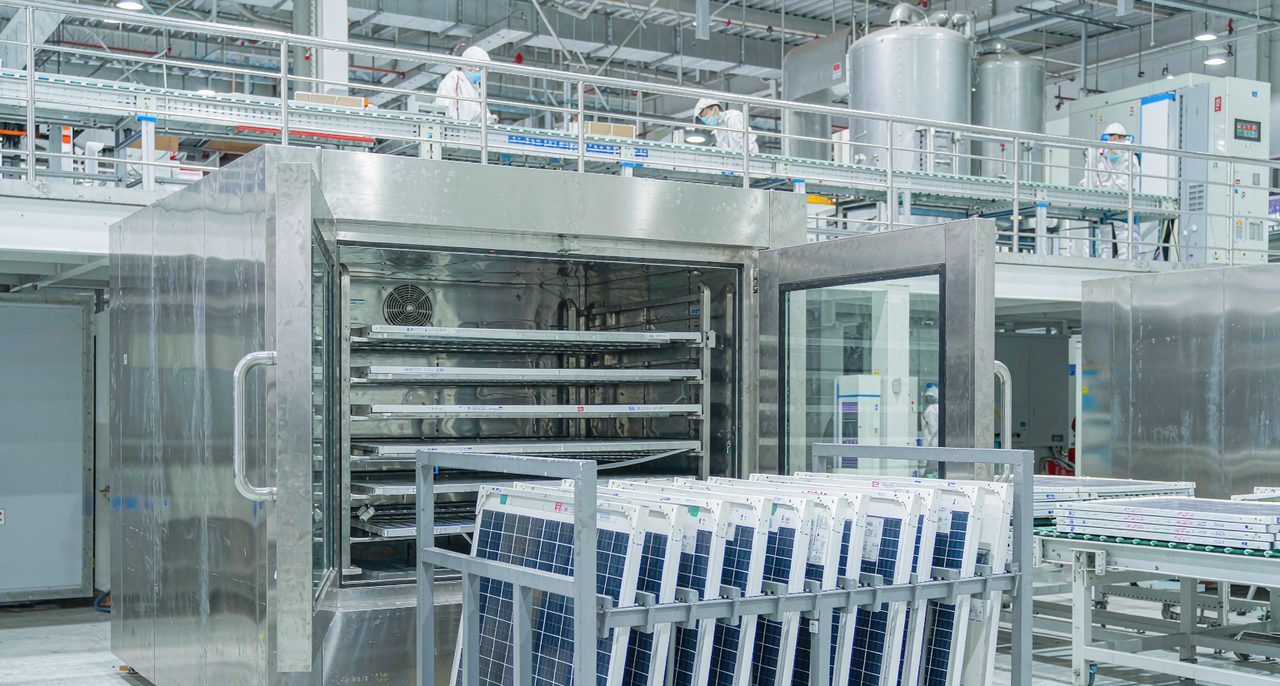
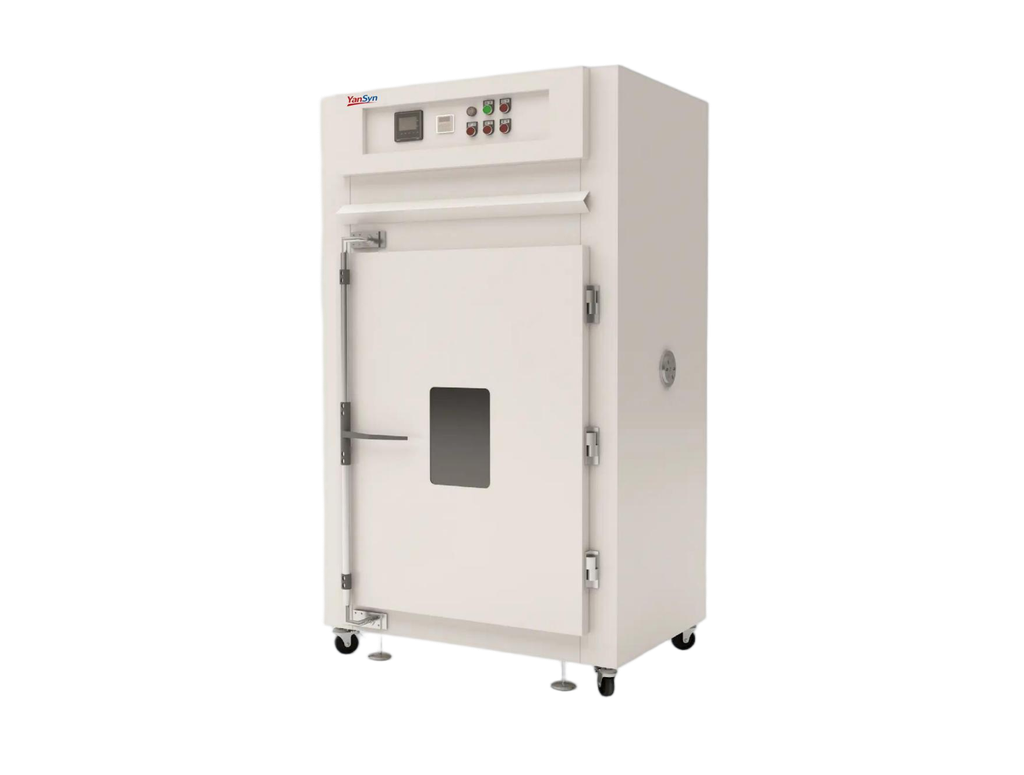
YanSyn YSHG series industrial heating ovens offer PID program control, ±1 °C accuracy, ≤ ±2 °C uniformity (±1 °C customizable), SUS304 mirror-finish chambers, and optional Class 100 clean / N₂ atmosphere configurations — suitable for pre-lamination drying, silicone curing, and junction-box adhesive cure.
Matching Equipment to Process Risk
| Process step / material | Risk | Typical equipment |
|---|---|---|
| EVA / POE / EPE film storage | Moisture absorption → bubbles, delamination | Low-RH dry cabinet |
| Solar cell / ribbon buffer | Moisture + oxidation | Dry cabinet or nitrogen cabinet |
| Copper ribbon / metal paste | Oxidation → poor solderability | Nitrogen anti-oxidation cabinet |
| Pre-lamination drying | Residual moisture | Clean drying oven |
| Frame / junction-box curing | Weak seal, long cure time | Programmable curing oven |
Conclusion
Photovoltaic module manufacturing succeeds or fails at the interfaces: encapsulant-to-glass, ribbon-to-cell, frame-to-laminate. Moisture, oxidation, and poor thermal control are invisible until they become yield loss or field failures. The right storage and curing equipment — dry cabinets for moisture-sensitive films, nitrogen cabinets for oxidation-sensitive metals, and programmable ovens for drying and curing — turns those risks into controlled, repeatable processes.
YanSyn designs and manufactures YSM moisture-proof cabinets, YSN anti-oxidation nitrogen cabinets, and YSHG industrial heating ovens for electronics, semiconductor, pharmaceutical, and solar manufacturing customers worldwide. If you are scaling a PV module line, contact YanSyn to discuss humidity, oxidation, and thermal-control solutions tailored to your process.
Related Posts
Clean Oven vs High-Temperature Oven: How to Choose
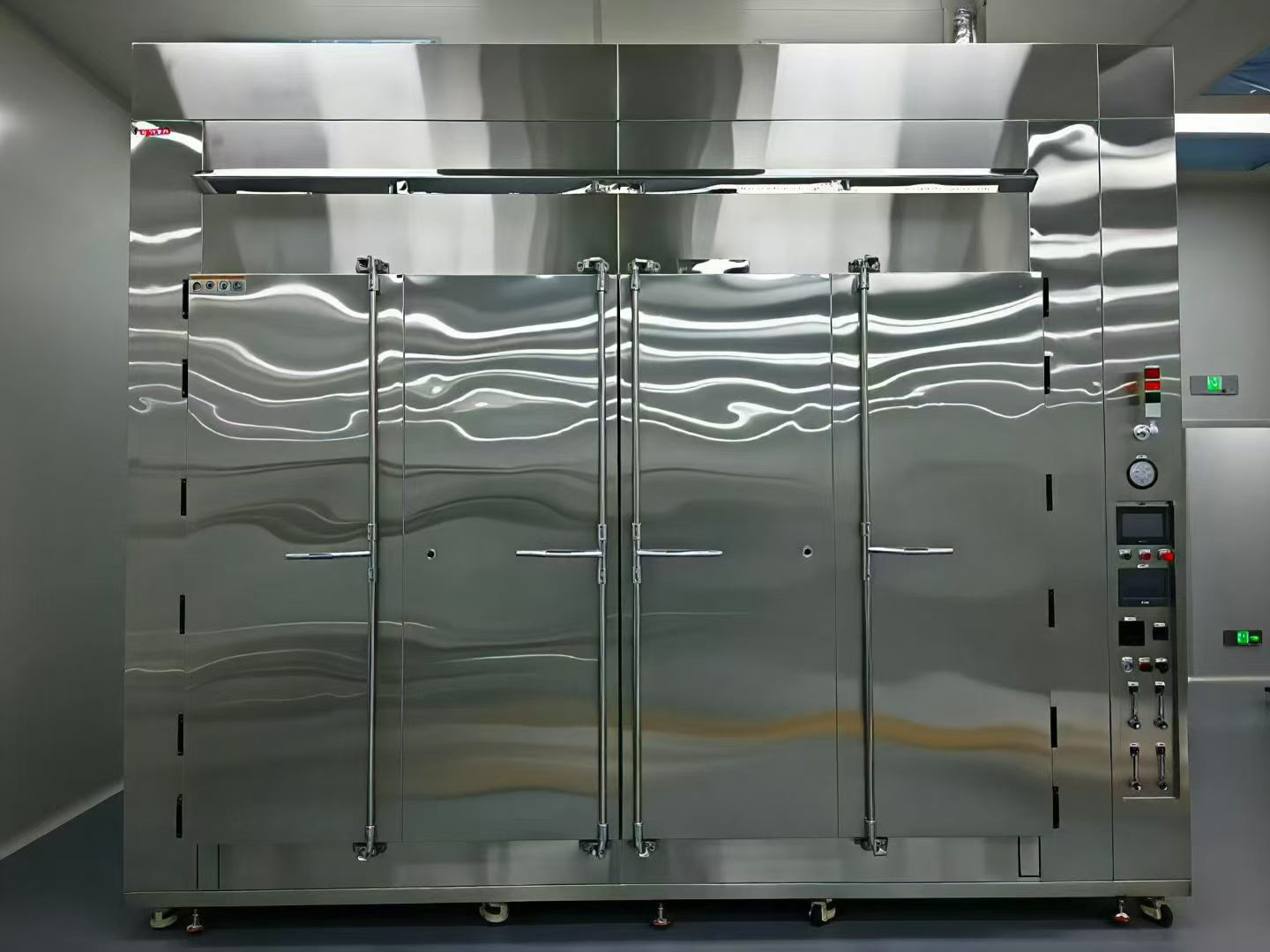
Not every thermal process needs a clean oven. Not every clean process needs 500 °C. Buying the wrong one costs money in two ways: you pay for capability you never use, or you pay again…
How to Specify a High-Low Temperature Test Chamber for Your Lab
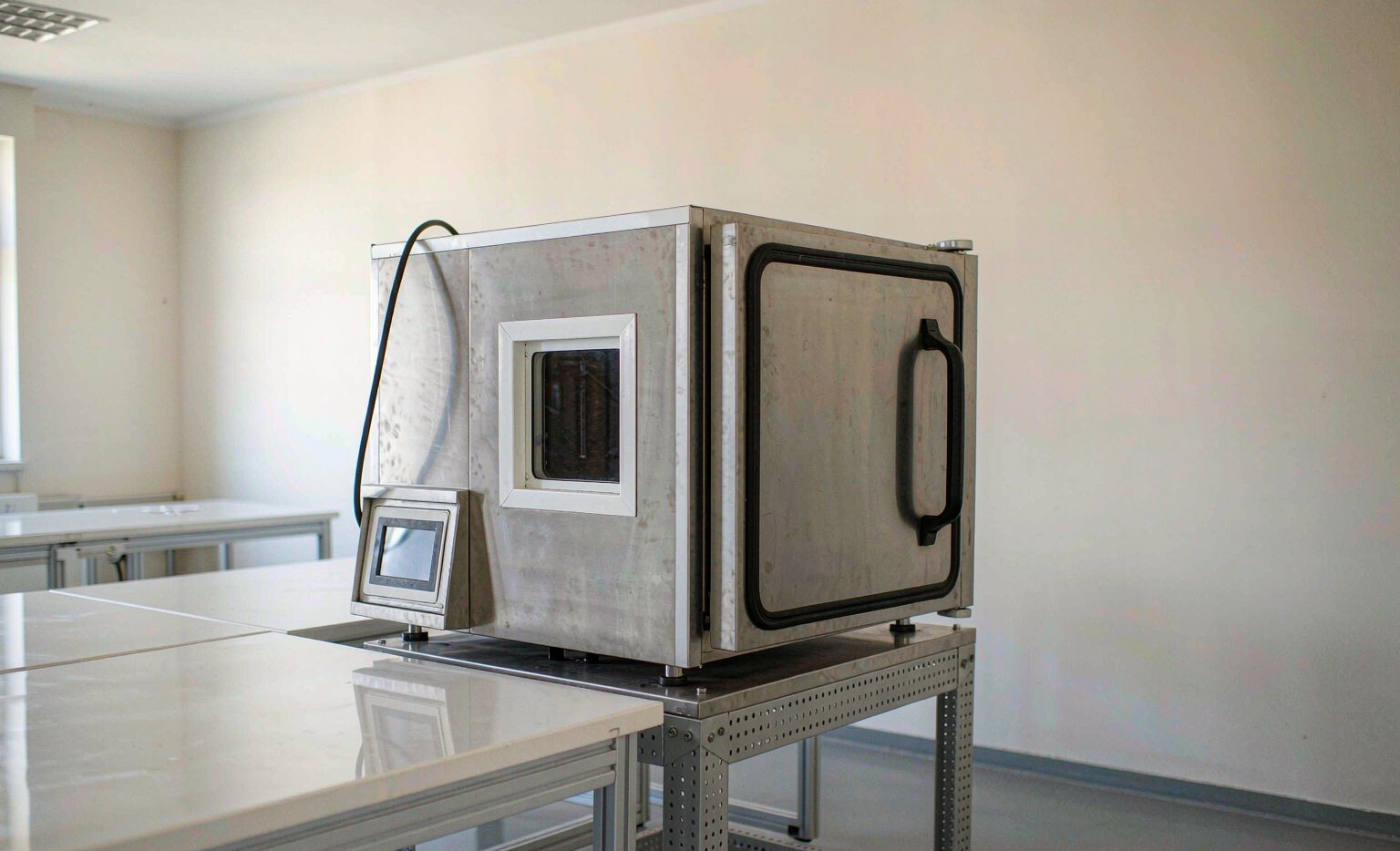
A high-low temperature test chamber is one of the most frequently mis-specified pieces of laboratory equipment. Two labs can order machines with the same nominal temperature range and still end up with completely different capabilities,…
How to Choose a Vacuum Oven: 7 Specs That Actually Matter
A small specification change in vacuum drying can produce a large change in yield. Two ovens can look identical and still differ by a factor of three in drying time, or leave a thin oxide…