Optics Humidity Control: Protecting Lenses and Camera Sensors from Humidity
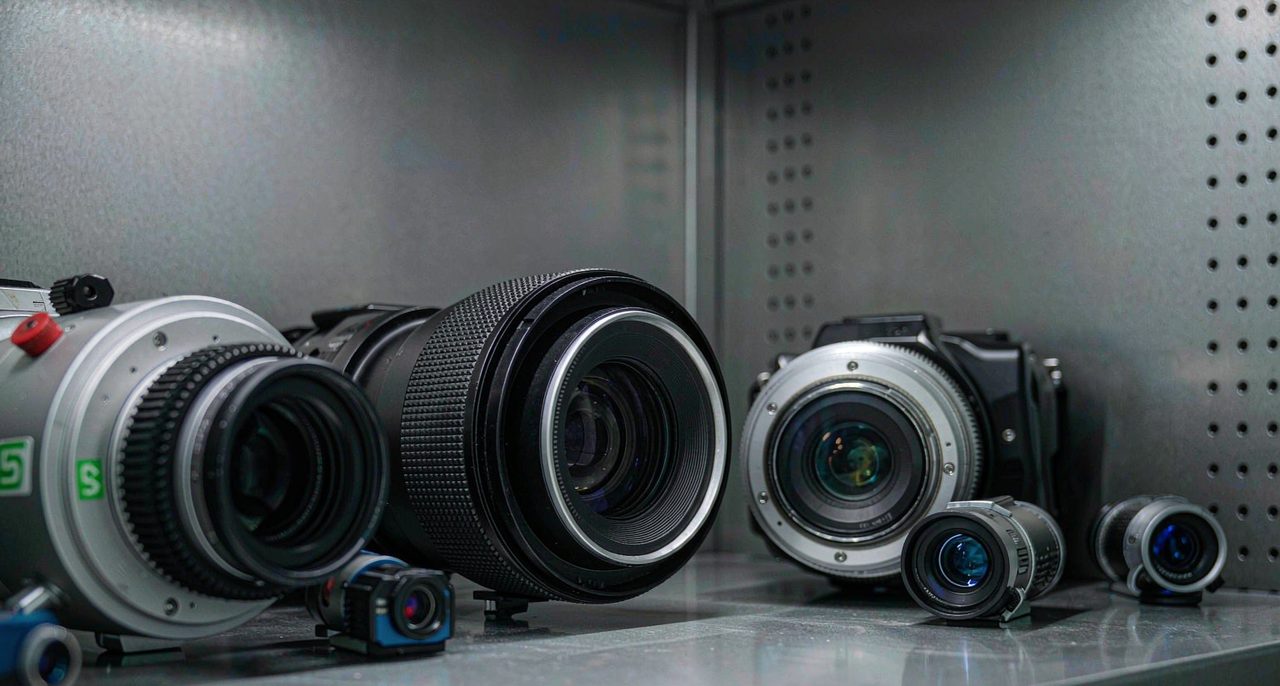
Optics humidity control is one of the most overlooked yet critical disciplines for anyone who owns precision cameras, scientific instruments, broadcast lenses, or micro-precision sensors. Whether you run a photographic rental house, a metrology lab, an OEM optical line, or simply care for a personal lens collection, the enemy is the same: moisture in the air quietly degrades glass, coatings, and electronics over time. Left unchecked, high relative humidity (RH) leads to fungal growth on lens elements, condensation on internal glass and camera sensors, and corrosion of delicate anti-reflective coatings and metal mounts. The good news is that optics humidity control is well understood and easy to implement with the right storage equipment and setpoints.

Why Humidity Damages Precision Optics
Optical components are engineered to tolerances measured in fractions of a wavelength of light. That precision is exactly what makes them vulnerable to moisture. Three failure modes dominate.
Lens Fungus and Mold Growth
Lens fungus and related species thrive in warm, humid environments - typically above 60% RH. Spores are present in almost every environment, and once they land on a lens surface with organic residue such as skin oils or cleaning-fluid traces, they begin to feed on the lens cement and coatings. The classic symptom is a faint spider-web or branching pattern etched into the glass. By the time it is visible, the coating is usually permanently damaged. Consistent optics humidity control below 45 to 50% RH starves spores of the moisture they need and prevents colonization entirely.
Condensation and Fogging on Glass and Sensors
When a cold lens is moved into a warm, humid room, moisture condenses on its surfaces - including the rear element and, in mirrorless and DSLR bodies, the image sensor itself. Repeated condensation leaves mineral deposits and can short sensitive electronics. For laboratories that move optics between climate zones or between cold storage and ambient rooms, controlling the surrounding RH is the only reliable way to avoid fogging cycles.
Corrosion of Coatings and Metal Mounts
Modern lenses carry multiple nano-scale anti-reflective coatings and often aluminum, brass, or magnesium alloy mounts. At elevated humidity these coatings and mounts corrode, increasing flare, reducing contrast, and eventually seizing focus and aperture mechanisms. Precision sensors and flex cables are similarly sensitive.
What RH Level Should You Target?
For most precision optics, a storage RH between 35% and 45% is the sweet spot. This range is low enough to suppress fungus and limit corrosion, yet high enough to avoid the static-buildup and seal-drying problems associated with extremely dry (below 10%) environments. Specialized or museum-grade historical optics may call for 40 to 50% with tight uniformity; semiconductor and bare-die storage is a different regime and typically uses inert nitrogen rather than dry air. The key is stability: rapid RH swings are more damaging than a steady mid-range value, so choose equipment that holds the setpoint rather than one that cycles widely.
Active vs Passive Humidity Control
Passive methods - silica gel packs and sealed cases - are cheap but labor-intensive. They saturate, require regular baking or replacement, and give no feedback on actual RH. Active humidity control uses a regulated cabinet with a desiccant or electronic dehumidification module, a digital hygrometer, and a closed loop that automatically restores the setpoint after the door is opened. For any operation storing more than a handful of lenses, or storing them for long periods, active control is the only dependable approach. It also produces an auditable RH history, which matters for calibration labs and rental inventories.
Optics Humidity Control: Best Practices for Lens Storage
Implementing effective storage is straightforward if you follow a few rules:
- Set a target RH of 35 to 45% and verify it with an independent calibrated hygrometer, not just the cabinet display.
- Store lenses with caps on and bodies with body caps fitted to keep dust and stray moisture away from exposed glass and sensors.
- Avoid stacking heavy bodies on lens elements, and keep clean shelving to prevent micro-abrasion.
- Let cold gear acclimate inside the cabinet with the door closed before powering on cameras, so condensation forms harmlessly at controlled RH.
- Log RH data if the inventory is valuable or audit-sensitive; many modern cabinets support IoT remote monitoring for exactly this purpose.
- Keep desiccant modules maintained on renewable-desiccant units so recovery time after opening stays short.
Why a Purpose-Built Dry Cabinet Beats a DIY Box
A purpose-built electronic dry cabinet delivers uniform RH across every shelf, recovers quickly after door openings, and runs continuously with low power draw. DIY sealed boxes with gel packs cannot match the recovery speed or the uniformity, and they leave you guessing about the real conditions inside. For professionals, the small premium of a manufactured cabinet is repaid in avoided repairs, retained resale value, and peace of mind.

Conclusion
Optics humidity control is not exotic - it is disciplined storage at the right relative humidity. Hold your lenses and camera sensors between 35% and 45% RH in a stable, actively controlled environment, follow basic handling hygiene, and the vast majority of humidity-related failures simply never start. For laboratories, rental houses, and manufacturers alike, the investment in proper dry storage pays for itself the first time a prized lens does not develop fungus.
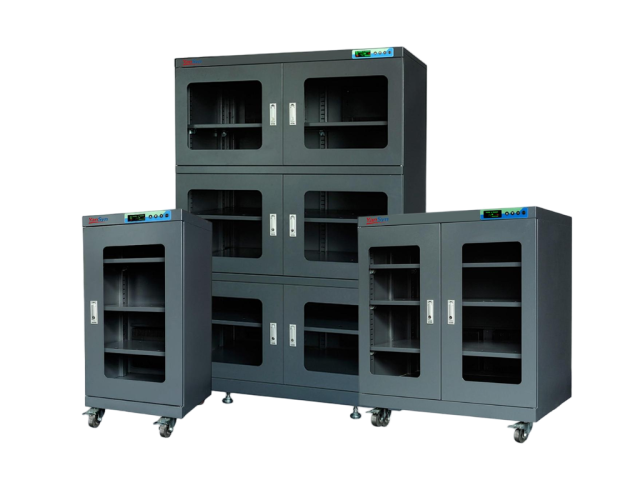
YanSyn designs and manufactures temperature- and humidity-control equipment for global customers, including the YSM series moisture-proof (electronic dry) cabinets ideal for optics humidity control, the YSN series nitrogen/anti-oxidation cabinets for ultra-low-oxygen storage, and the YSHG series industrial ovens for drying and heat-treatment. Explore YanSyn's YSM moisture-proof cabinets to protect your precision optics with reliable, low-power RH control.